When I first started running, I got caught up with mileage too much. I became laser focused in getting my mileage up to 55 miles/88 kilometers per week (a benchmark that I thought would propel me to new running heights). In retrospect, however, that laser focus was myopic. It failed to take into account anything other than running into my fitness plan.
What does a typical week of running look like?
Now that I’m older and (I think) wiser, I have found it best to train in set timed blocks. Try prioritizing a hard VO2max or threshold workout Tuesday, a medium long run Thursday, and a long run Saturday. On these three days, do explosive plyometric drills as part of my warm-up. I also try to get in strides (and even sprints) 2-3 times per week. Monday and Friday is a nice, smooth aerobic run through the hills while Wednesday is a lolling recovery shuffle.
How long should I run for?
That all depends on how much time you have. I am able to carve out about an hour and forty minutes early each morning for my training. And, as I said before, I am no longer short-sighted about going all-in with running. Therefore, on Mon/Wed/Sun (the days I am not doing any hard running) I devote 20 focused minutes to calisthenic training at a local park (primarily pull-ups, push-ups, and dips). The hard running days (Tue/Thu/Sat) I call my “leg days” and do some squats, calf raises, and lunges at home post-run, but to be honest, I don’t usually do much after a long run.
How much time to you spend doing home workouts?
I think it depends on where in your training cycle you are. If you are within 12 weeks of a marathon that you’ve signed up for, then of course it might be a good idea to keep the mileage up and do less at-home total body work. But for the rest of the year, I believe that it’s a good idea to reserve at least 20 minutes pre or post run for upper/lower body, stability, and core work.
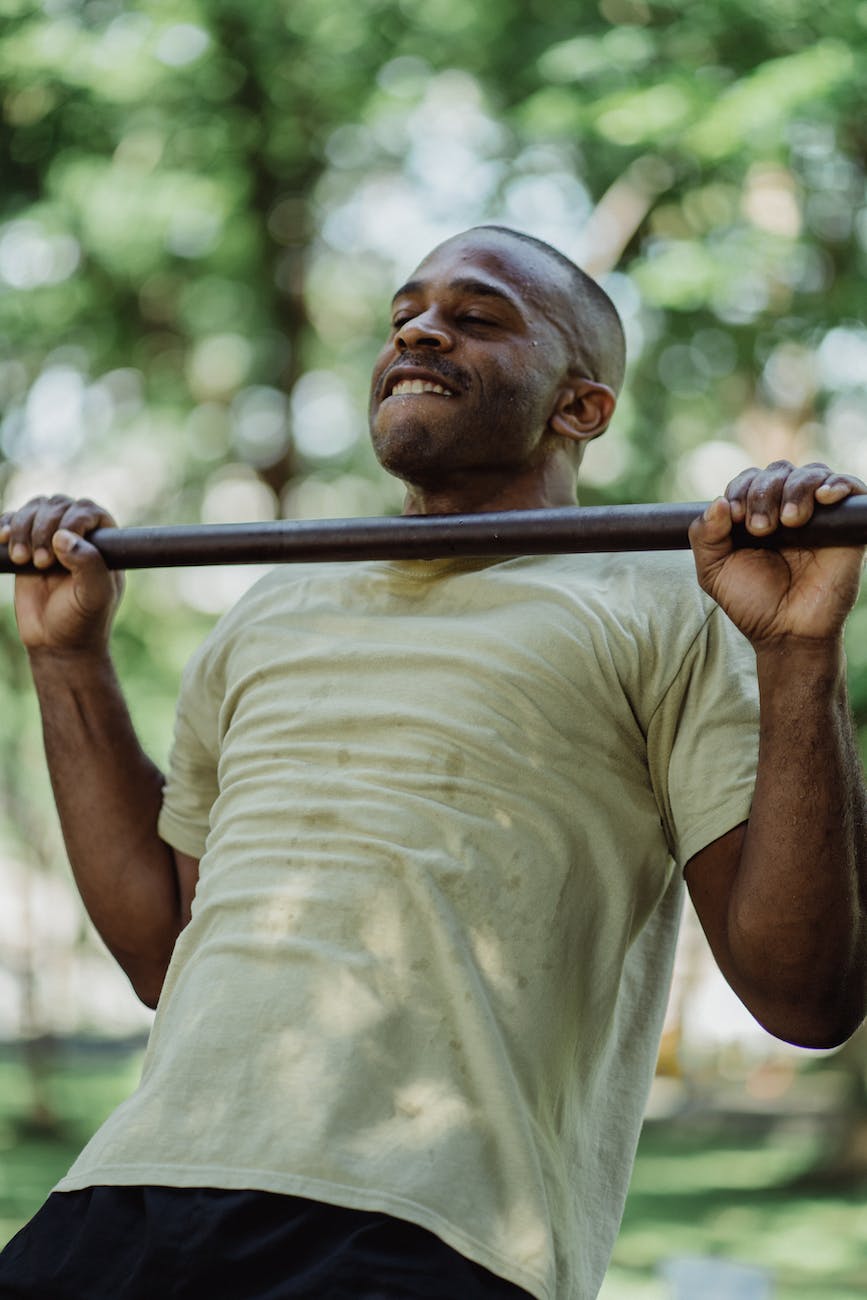
The goal is to become a total athlete. To be able to run fast and far. To be agile. To have upper body strength and core strength. To have anaerobic and aerobic capacities. To have flexibility. All of of this I will get into in greater detail in future posts. But first and foremost, set a time commitment and stick to it. Also remember that our goal as athletes is to become the best versions of ourselves so that we can make the world a slightly healthier and happier place for others. Dedicate your health goals to those around you and you will, in turn, find greater success.
 Aging Well