

The Blue Zones by Dan Buettner didn’t change my life instantaneously as if it were a lightning bolt from Zeus (although, coincidentally, Greece does have a chapter). Nor was a it a direct line from the Great Bearded Man In The Sky (yet Seventh Day Adventists in Loma Linda, CA also grace the presence of its pages). Instead, it was more like a kernel of wisdom had been planted inside of me, a sharp elbow accompanied by a terse whisper in my ear that instigated: “I dare ya to try this and see for yourself”.
And so I did, and just in case you don’t have the time or money to read it for yourself, I feel obligated to summarize it for you briefly here.
What are Blue Zones?
Blue Zones are scientifically confirmed longevity hotspots — places where people reach age 100 at rates significantly higher, and on average, live longer, healthier lives than the rest of the world. It is important to note that these are “regions” and not countries.
What are the five known Blue Zones and what makes each special?

Sardinia, Italy – a) intense dedication/purpose to family and community b) shepherds walk the hilly terrain daily c) diet high in flavonoids d) simple whole foods plant based diet (e.g. vegetable soup for dinner most nights…meat only on Sunday) e) drink goat’s milk f) laugh with friends

Okinawa, Japan – a) have ikigai or purpose in life b) rely on a plant based diet c) work in a garden d) eat more soy e) have a social network (moai in Okinawan Japanese) f) sunshine g) stay active h) eat medicinal herbs (e.g. mugwort, turmeric, ginger) i) let the failures/troubles of youth remain in the past in order to enjoy the present

Loma Linda, United States – a) have a non-negotiable extended break (e.g. the Sabbath to connect with God, family, nature, etc…) b) maintain a healthy body mass index (BMI) c) get regular, moderate exercise d) spend time with like-minded friends e) snack on nuts f) give back g) eat meat in moderation h) eat an early, light dinner i) eat more plants j) drink plenty of water
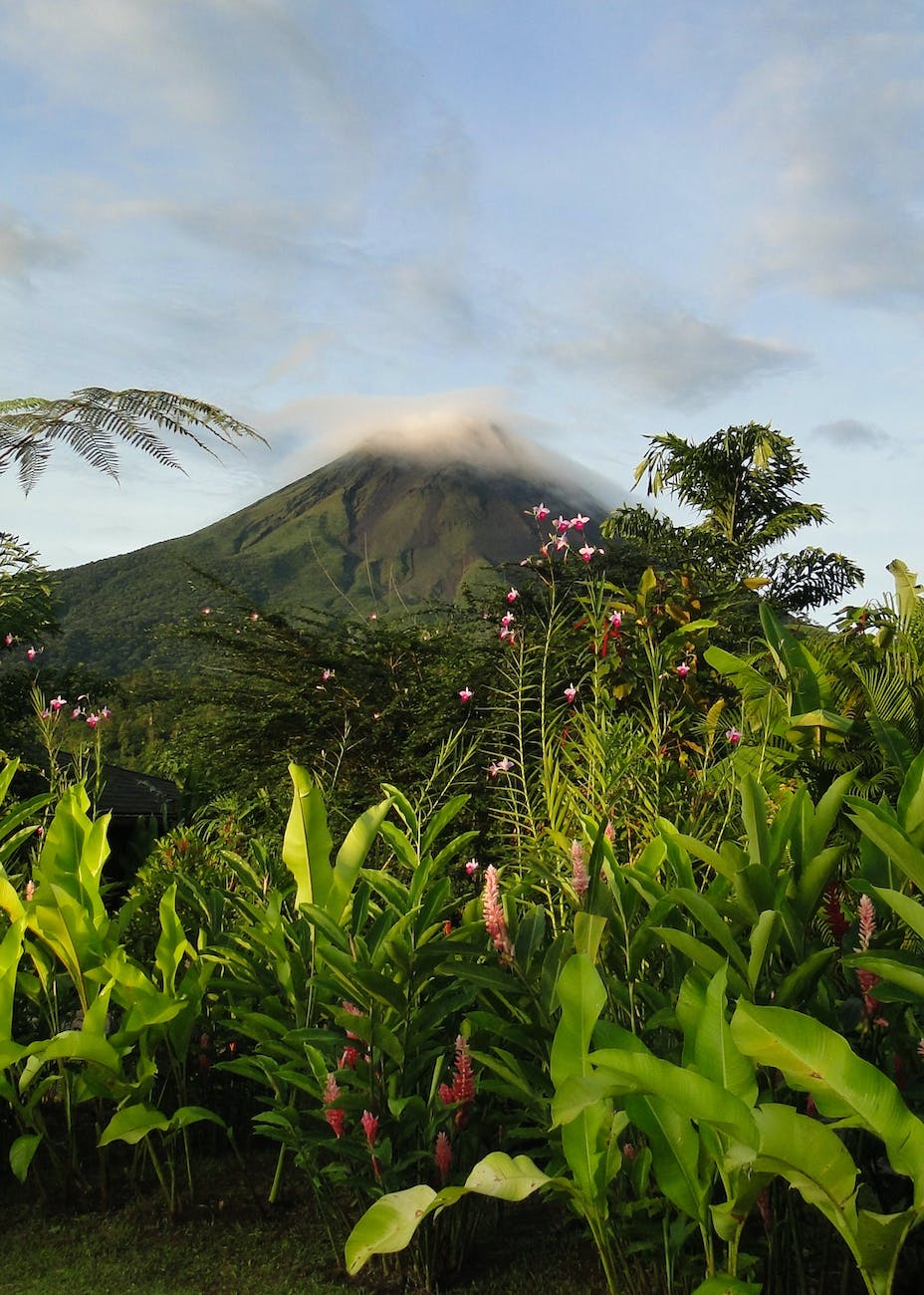
Nicoya Peninsula, Costa Rica – a) have a plan for life (similar to ikigai in Okinawa) b) drink hard water (for its calcium) c) focus on your family d) eat a light dinner e) maintain social networks f) keep hard at work g) get some sun h) embrace a common history

Ikaria, Greece – a) drink goat’s milk b) mountain living (i.e. just moving around the neighborhood takes a little work) c) Mediterranean-style diet d) herbal tea e) take naps f) do the occasional fast g) make family/friends a priority
What are the 9 lessons for living longer that the author has gathered from his research?
- Move naturally – Get in those steps.
- Don’t overeat – Try the Japanese eating philosophy of “hara hachi bu” (stop when 80% full).
- Whole foods plant based – If you don’t want to cut meat entirely, shoot for once or twice a week only.
- Polyphenols – Buettner argued for having a glass or two of alcohol per day when the book was published 15 years ago, but recent studies have shown that any amount of alcohol is now considered bad.
- Have a life’s purpose – Man’s will to live is stronger and more powerful than we often think.
- Relieve stress – Gather with friends in order to slow life’s pace. Or meditate.
- Belong to a spiritual community – Go to organized meetings with your organized religion of choice. Or start your own group.
- Make family a priority.
- Belong to a tribe that is Blue Zone minded.
Takeaway
Start incorporating doable Blue Zone habits into your life one at a time. Take the time to reflect on whether or not each that you add is making a positive impact. You are free to be your own, unique Blue Zoner! You can eat sweet potatoes like in Okinawa and nosh on nuts like in Loma Linda. You can start a weekly card game with friends, but maybe serve red grapes and dark chocolate squares instead of beer. However you choose to architect your own personal Blue Zone, do it in the spirit of loving life!
If The Blue Zones inspired you like it did me, also try using The Blue Zones Kitchen to eat the way the healthiest people in the world do.
 Aging Well